

Benötigen Sie eine persönliche Beratung?
Unsere medizinisch-wissenschaftliche Abteilung steht Ihnen für fachliche Fragen gerne zur Verfügung. Sie erhalten eine individuelle, kostenfreie Beratung durch unser geschultes Fachpersonal – per E-Mail, über die Chat-Funktion auf unserer Website oder telefonisch über unsere Hotline.


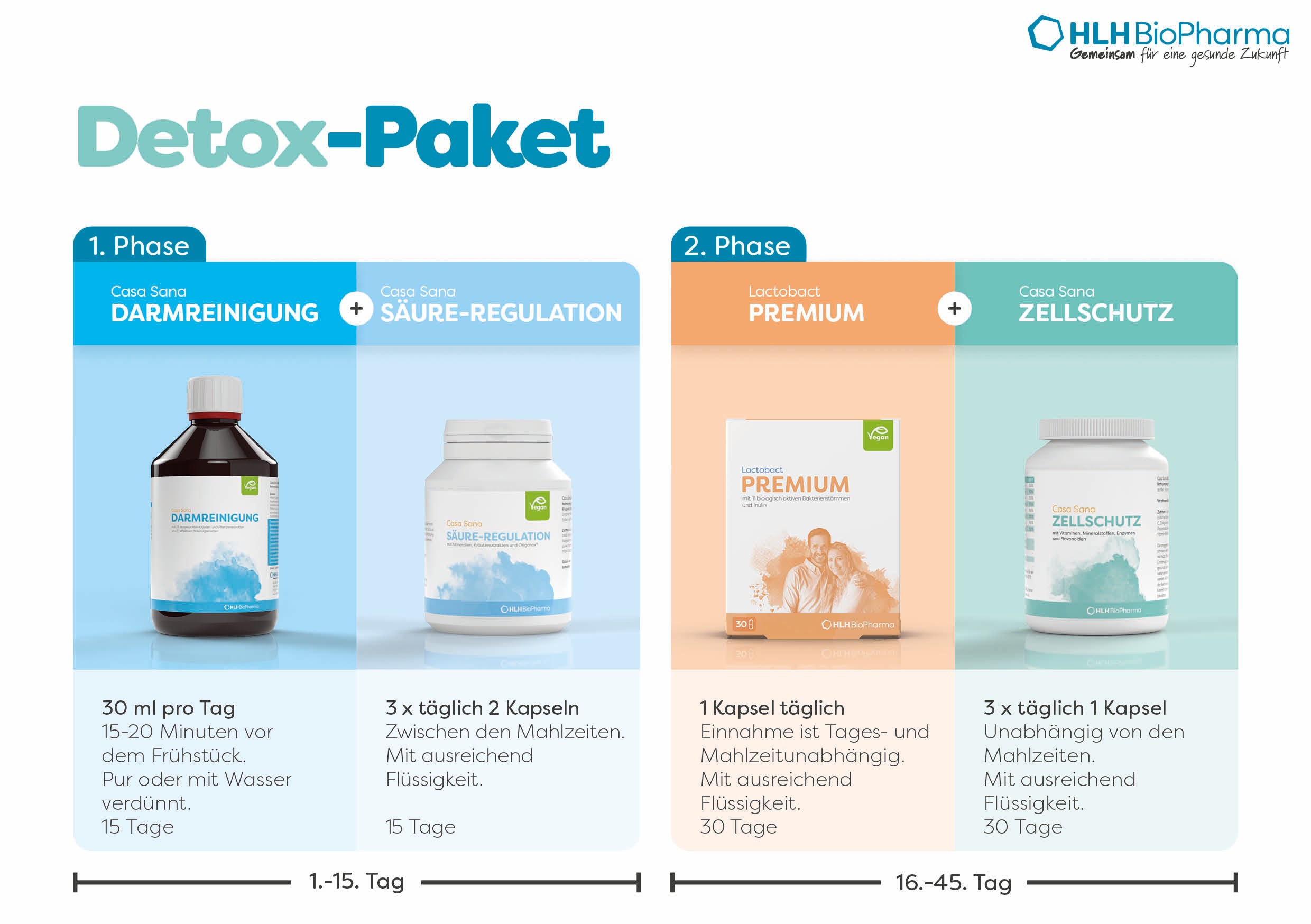
Sale
Detox Package
Detox Package
Sale price
EUR 99,49 €
Regular price
EUR 110,55 €
Unit price
EUR 164,12 €/kg
What Are Diverticulitis and Diverticulosis?
Diverticulosis refers to the presence of diverticula, small protrusions of the intestinal wall, in the colon. These are usually harmless but can develop into diverticulitis if they become inflamed. Inflammation of these diverticula typically causes lower abdominal pain and additional symptoms. Diverticula are small, sac-like protrusions that form at weak points in the muscle layer of the intestine. They can occur anywhere in the digestive tract but are most commonly found in the final section of the colon, known as the sigmoid colon. Diverticulosis itself generally causes no symptoms and is often discovered incidentally during a routine examination.
If the diverticula become inflamed or infected, this is referred to as diverticulitis. This condition is significantly more serious and, in addition to lower abdominal pain, may cause further symptoms such as fever, nausea, vomiting, and changes in bowel habits. The pain is usually most pronounced on the left side of the lower abdomen, as most diverticula in Western populations are located in the left section of the colon.
Symptoms and Signs of Diverticulitis
Although diverticulosis often remains symptom-free, the following symptoms may occur:
- Occasional pain or cramping in the lower abdomen
- Constipation or, less commonly, diarrhea
- Bloating and general discomfort
In the case of inflammation, i.e., diverticulitis, symptoms may appear suddenly and manifest as:
- Severe lower abdominal pain, especially on the left side
- Fever and general malaise as signs of infection
- Gastrointestinal symptoms such as nausea, vomiting, bloating, and changes in bowel movements, particularly diarrhea or constipation
- Tenderness in the affected abdominal area when touched
In severe cases, symptoms of peritonitis, such as rapidly increasing pain intensity and abdominal rigidity, may occur. These symptoms require immediate medical evaluation, as they may indicate a possible perforation of the intestinal wall.
Treatment Approaches and Dietary Recommendations
The treatment of diverticulitis depends on the severity of symptoms and the patient’s general health. Mild cases can often be treated with dietary changes, rest, and antibiotics, while severe cases may require hospitalization or even surgery. As a preventive measure, a high-fiber diet, plenty of physical activity, and probiotic therapies are recommended to keep stools soft and avoid excessive straining. If inflammation nevertheless occurs, spices and micronutrients may be helpful.
Dietary Recommendations
- During the acute phase: A clear liquid diet to calm the intestines and promote healing.
- After acute symptoms subside: Gradual transition to a high-fiber diet to keep stools soft and facilitate passage through the colon.
- Long-term dietary changes: Regular intake of fiber-rich foods such as whole grains, vegetables, and fruits. Avoidance of processed foods and red meat, which may increase the risk of diverticulitis.
Proper nutrition plays a crucial role in the prevention and treatment of diverticulitis and can help prevent the formation of new diverticula and keep existing diverticula free of inflammation.
Causes and Risk Factors
The exact causes of diverticula and their possible inflammation are not fully understood; however, diet and lifestyle play a significant role. Experts nevertheless identify certain dietary and lifestyle factors that contribute substantially to the development of these conditions.
Diet-Related Risk Factors
One of the main causes of diverticula development is a low-fiber diet. Fiber keeps stools soft and facilitates their passage through the intestines, reducing pressure within the colon. Low fiber intake, on the other hand, leads to harder stools and increased pressure on the intestinal walls, which can ultimately result in the formation of diverticula.
Lifestyle-Related Risk Factors
- Lack of physical activity: Regular physical activity helps regulate metabolism and promotes regular bowel movements, thereby reducing the likelihood of diverticula formation.
- Overweight: Obesity increases pressure within the abdomen and on the intestinal walls, raising the risk of diverticula.
- Smoking: Smoking is known to impair intestinal health and promote inflammation, increasing the risk of diverticulitis.
- Medication use: Regular use of certain medications, such as nonsteroidal anti-inflammatory drugs (NSAIDs) or steroids, may also increase the risk of developing diverticulitis.
Additional Risk Factors
- Age: Diverticulosis is more common in individuals over 40 years of age, as the intestinal wall weakens with age.
- Dietary habits: Excessive consumption of red meat and processed foods may also increase risk.
- Genetic predisposition: There is evidence of familial clustering, suggesting a genetic predisposition.
These risk factors highlight the importance of preventive measures such as a balanced, high-fiber diet, regular exercise, and a healthy lifestyle to minimize the risk of diverticulosis and associated diverticulitis.
Treatment and Dietary Tips
Treatment of diverticulosis focuses primarily on dietary changes and, in the case of diverticulitis, also on medications to reduce inflammation. The following dietary tips may help:
- Increase fiber intake: Include more whole grains, vegetables, and fruits in your diet.
- Adequate fluid intake: Drink plenty of water to keep stools soft.
- Avoid irritants: Avoid foods that may worsen your symptoms.
Avoiding risk factors through a healthy, high-fiber diet, regular exercise, weight management, and avoiding harmful substances such as cigarettes can help minimize the risk of diverticulitis. In addition, probiotics can generally support intestinal health and serve as further prevention against diverticulitis.
Complications of Diverticulitis
If left untreated, diverticulitis can lead to serious complications, including peritonitis, which can be life-threatening. Other possible complications include intestinal bleeding and the formation of fistulas.
Prevention of Diverticulitis Through Targeted Nutrition
The prevention of diverticulitis and the reduction of symptoms in diverticulosis largely depend on diet. A key component is the targeted intake of fiber to prevent constipation and keep stools soft. This helps reduce pressure in the intestines and thus prevent the formation of new diverticula. In addition, it is important to ensure adequate fluid intake, as this also contributes to stool regulation and minimizes the risk of diverticula formation in the colon. Regular physical activity can also help promote intestinal health and prevent inflammation of diverticula and associated pain.
What to Do During an Acute Inflammatory Flare?
During an acute inflammatory flare, you should consume liquid or easily digestible bland foods low in fiber. After the acute inflammation has subsided, you should gradually rebuild your diet, for example with:
- mild soups,
- stews,
- porridge,
- steamed vegetables,
- baby food,
- tea and rusks.
Avoid spicy, fatty, and gas-producing foods. Gradually reintroduce foods. As a preventive measure, a high-fiber diet (important: increase gradually, at least 30 g daily) and anti-inflammatory foods are recommended. These include plenty of fruits, vegetables, oat bran, oats, psyllium husks, whole grain products such as brown rice, whole grain bread, whole grain pasta, wheat bran, crushed flaxseeds (drink plenty of still water without carbonation), to stimulate bowel activity and prevent recurrent flare-ups. It is important to keep stools soft so that no new diverticula form and existing diverticula do not become inflamed.
To keep stools soft, a Detox Package can also be used as a probiotic regimen. The added intestinal bacteria metabolize fiber and produce short-chain fatty acids, which have a positive effect on intestinal motility and cell regeneration. The gut microbiota also positively influences the immune system and promotes the release of anti-inflammatory messenger substances.
Reducing Inflammation
If inflammation occurs, omega-3 fatty acids and selenium may be used, as they have anti-inflammatory effects. Vitamin D can have a positive impact on the immune system, while L-glutamine helps rebuild the intestinal mucosa. Zinc is also commonly administered to strengthen the immune system and promote wound healing. Turmeric, fennel, caraway, and frankincense also have anti-inflammatory properties. Discover our quality product Casa Sana OMEGA-3 FATTY ACIDS with EPA and DHA from the algae Schizochytrium spec.
In addition to omega-3 fatty acids, selenium, vitamin D, and L-glutamine can also have anti-inflammatory effects. Zinc is also frequently administered to strengthen the immune system and promote wound healing. Turmeric, fennel, caraway, and frankincense are also known for their anti-inflammatory properties.
More Quality of Life with Products from HLH BioPharma
Choose our premium products from HLH BioPharma to support your intestinal health. Discover our range across various health areas and explore in particular Casa Sana MAXIAMIN and Lactobact PREMIUM for greater well-being. Choose HLH BioPharma – your specialist for holistic health with probiotics and phytotherapeutics!


